
Uncovering Why Metallic Glasses Break
Interview
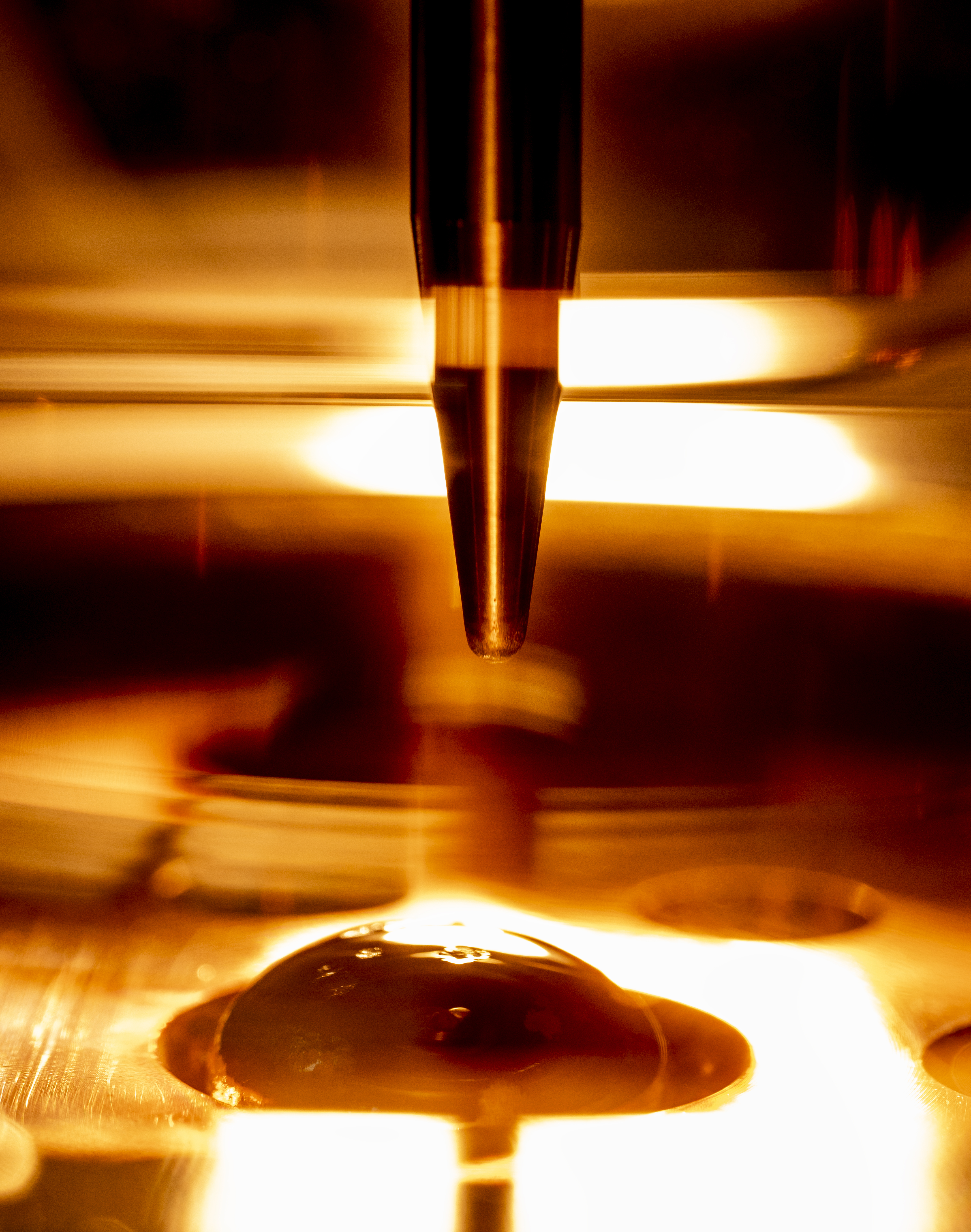
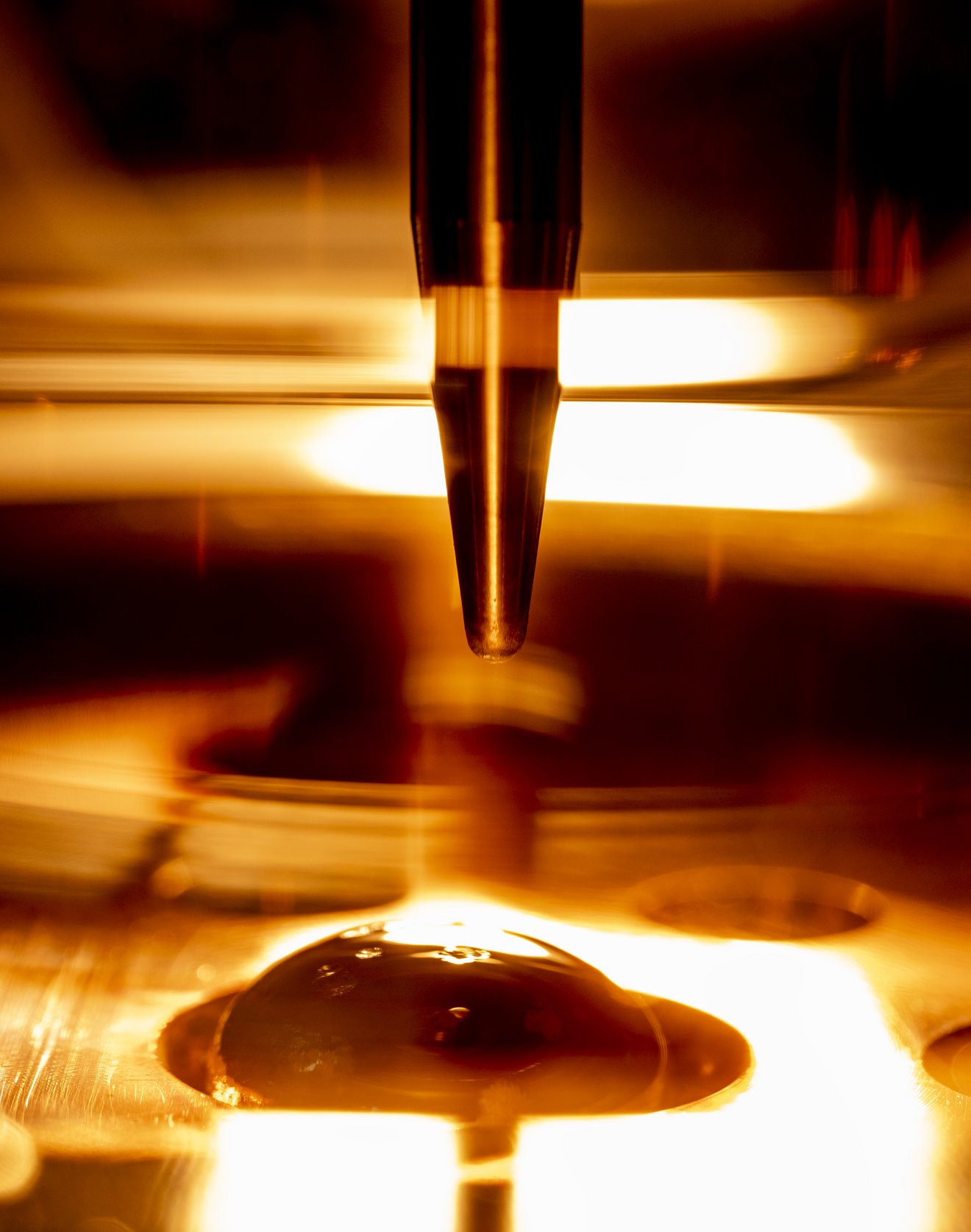
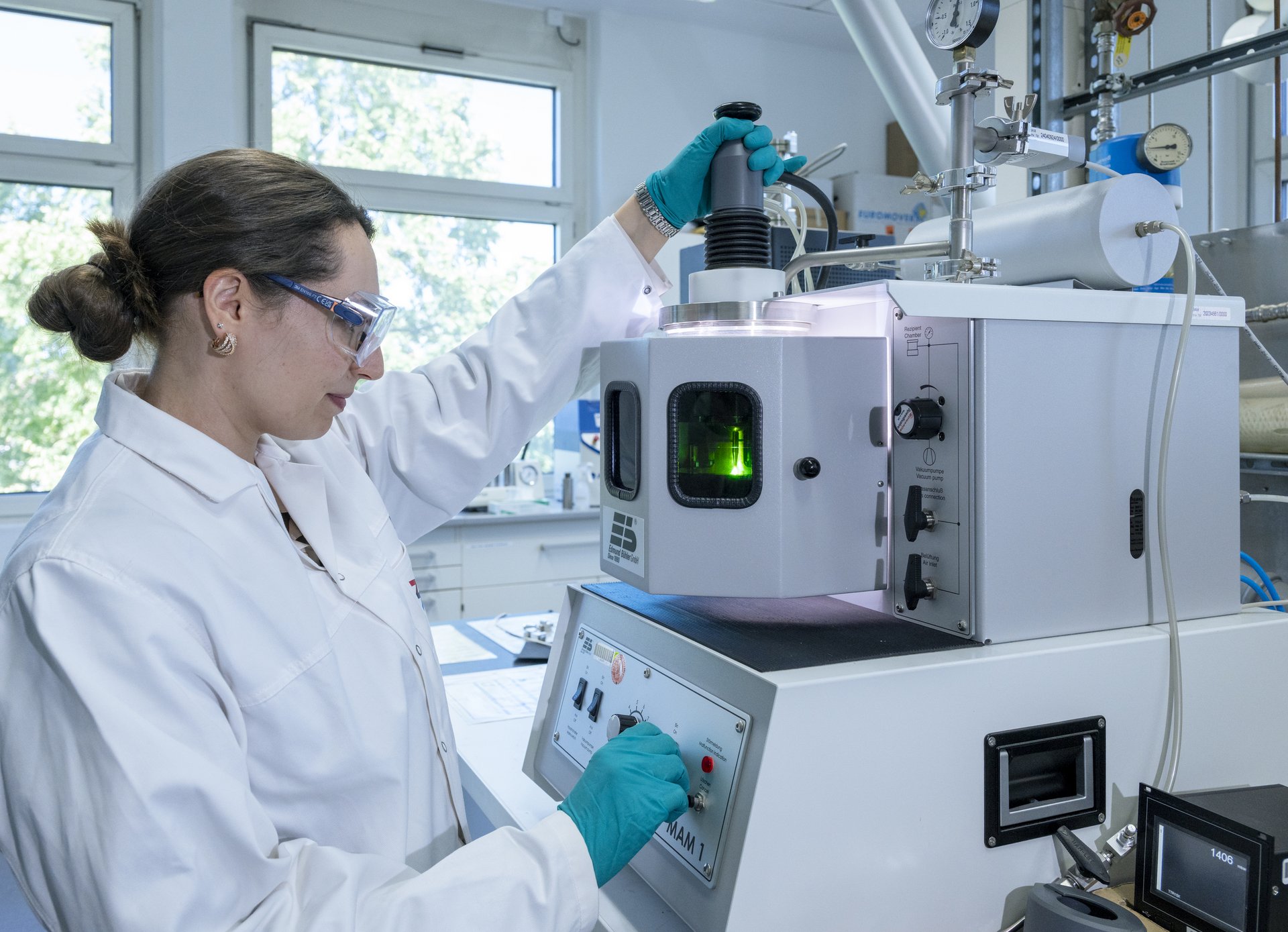
Why do some of the strongest metallic materials suddenly fail? Marie Curie Fellow Silvia Pomes, a mechanical engineer and materials scientist from Italy, is tackling this question in her current research. In this interview, she discusses her fascination with metallic glasses, the opportunities and challenges of building an international research career across several countries, and what it takes to secure one of Europe's most competitive research fellowships.
What is your current research project about?
My current research project UN-STRUCT focuses on metallic glasses. These materials are extremely durable and strong. Their unique properties make them highly attractive for advanced technologies such as medical devices and energy-efficient magnetic components.
What fascinated me about metallic glasses is that they combine exceptional strength with unexpected failure. They can be incredibly robust, yet over time they may suddenly break without much warning. A familiar example is old plastic that becomes brittle and crumbles after years of use. This phenomenon, known as embrittlement, is also observed in metallic glasses. We know this is linked to tiny changes in their atomic structure, but we still don't fully understand why these changes occur.
By understanding these mechanisms, we hope to better control material degradation and support the development of safer, more reliable, and sustainable advanced materials.
What inspired you to apply for a Marie Skłodowska-Curie Fellowship (MSCA) and why did you choose BAM?
The MSCA is one of the most prestigious and competitive funding schemes in Europe. I decided to apply because I saw it as both a challenge and an opportunity to develop greater independence in designing research projects and managing funding. Beyond the scientific aspects, I found the fellowship particularly appealing because it supports professional development and international collaboration.
I chose BAM for my fellowship because its research focus closely aligns with my own interests. After my experience at a national laboratory in Japan, I was also eager to continue working in a world-class research environment.
What advice would you give to other researchers considering applying for this fellowship?
I recommend attending the free workshops organized by EURAXESS to better understand how the proposal should be structured and what evaluators are looking for. And applicants should reach out to potential supervisors early on to discuss shared scientific interests and assess whether there is a good fit. Finding the right host institution is just as important as having a strong research topic.
When drafting the proposal, I found it helpful to ask experienced colleagues for feedback. In addition, the free consultation services offered by the national contact points for MSCA in Germany and by KoWi provide valuable support throughout the application process.
What have been your biggest challenges so far – scientifically or personally – and how did you overcome them?
One of the challenges I have experienced has been working in different countries and being far away from my home country. Although this has been incredibly rewarding, the transition to a new environment can sometimes feel isolating, with differences in language, habits, and communication styles.
To overcome this, I have been very proactive in creating a sense of belonging and connection wherever I have worked. I have engaged with researchers’ associations, participated in embassy-related scientific and networking activities, and actively integrated into local research communities.
This approach has helped me turn a challenge into an opportunity to build a broad, international, and supportive professional network.
If you had to describe your research in one sentence for the general public — what would it be?
I study how to make some of the strongest metallic materials on Earth more reliable and longer-lasting.
Die BAM ist eine wissenschaftlich-technische Bundesoberbehörde
im Geschäftsbereich des Bundesministeriums für Wirtschaft und Energie.