

Process Simulation
Division 2.2
The division's vision is to develop process simulation into the core method for evaluating process and plant safety. This concerns the entire life cycle of chemical plants, from synthesis and design to operation and decommissioning or modification. Digital methods, tools and process models are required throughout the life cycle to master the transformation towards sustainable, safe process engineering.
Fields of expertise
Fields of expertise
- Modelling, simulation, and optimization of chemical / process plants
- Modelling at the documentation level / further development of MOSAICmodeling
- Modelling and Simulation of coupled multiphysics problems using the finite element method (FEM): fluid processes, electrochemical systems, fluid-structure interaction
- Mixed-integer nonlinear optimization for process synthesis and design
- Dynamic optimization of the operation of process plants
- Uncertainty quantification for parameter estimation and experimental design
- Digitalization of the life cycle of chemical plants: information and process (workflow) models
- Interoperability in process engineering (e.g., CAPE-OPEN, DEXPI, IFC)
- Machine learning and hybrid modelling for dynamic systems
- Development of AI agentic systems for engineering and operational workflows
- Process automation as well as human-machine interaction on autonomous or automated systems
Main activities
Main activities
Research focuses on the development of dynamic process models to describe all system states from start-up to shutdown. An open library for dynamic, pressure-driven models is established for this purpose. The MOSAICmodeling software is further developed by the division as a tool for transparency and confidence in modelling, simulation, and optimization. In addition, multiscale models are being developed to better understand transport phenomena in fluid processes and complex interactions. To this end, continuum models are being developed and solved using powerful discretization methods (finite element method, FEM) and algorithms. The division uses machine learning, uncertainty quantification and hybrid modeling methods, as well as robust control to drive forward real-time application and plant monitoring. Furthermore, human-machine interaction is systematically taken into account in process automation and control. For the comprehensive digitalization of process engineering, the division is also researching information and data modelling as well as process models from engineering to the operation of chemical plants. This is supplemented by the development of methods for the safe and optimal transformation of chemical plants. In addition, the division researches agentic systems that leverage process and workflow models to support and guide engineering and operational workflows, with a particular focus on the digitalization and execution of HAZOP studies.
Range of services/technical equipment
Range of services/technical equipment
- Support in modeling, simulation and optimization of chemical plants:
- Optimization for process synthesis and design
- Optimal design of experiments for process plants
- Simulation and optimization for operational monitoring, control, and automation
- Safety assessment of dynamic plant operation
- Development of research software for process simulation as well as process and plant safety
- Information and process modeling in the engineering of chemical plants
Publications of the division
Publications of the division
In the database PUBLICA you will find publications by BAM employees.
-
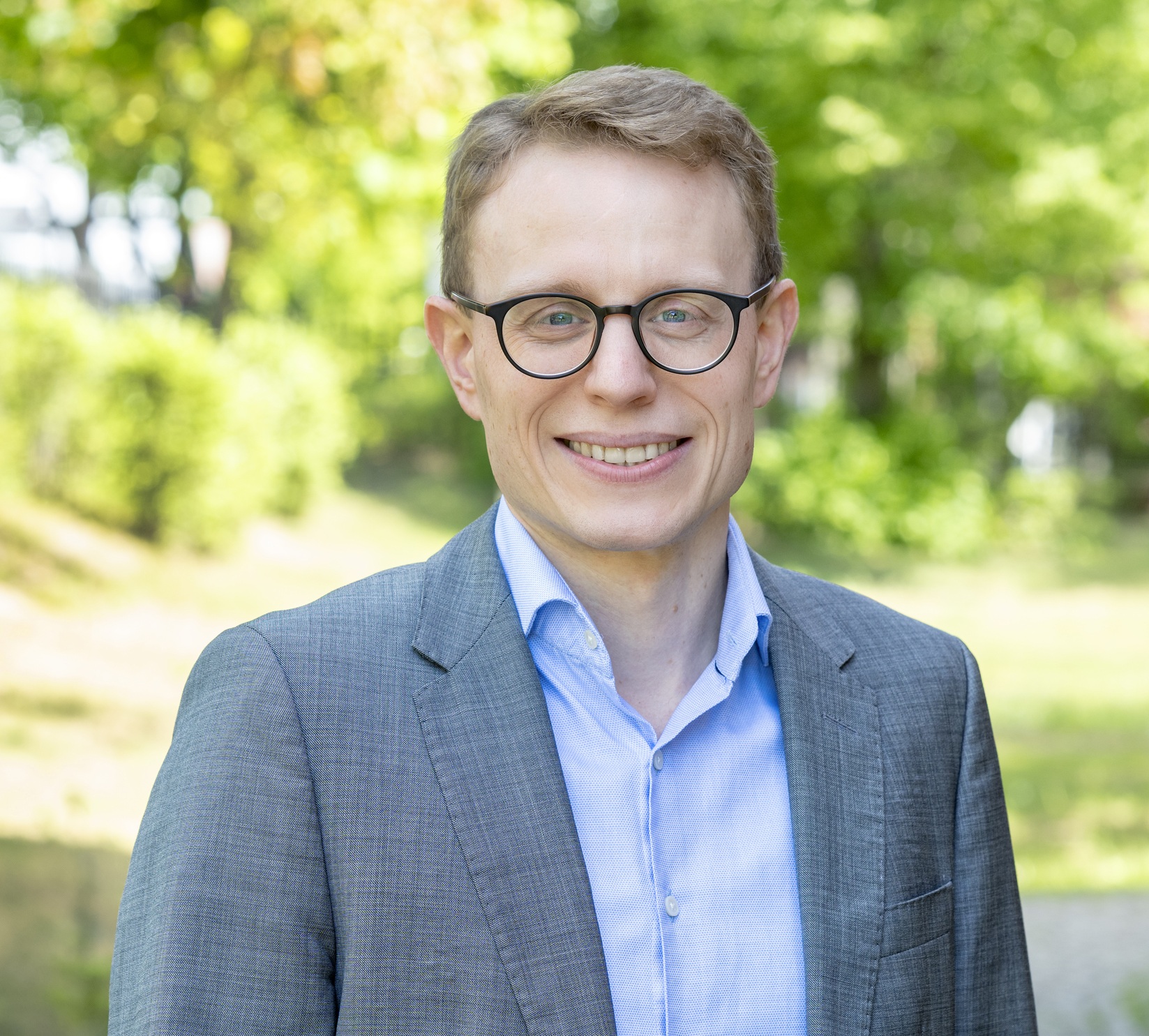
Dr.-Ing. Erik Esche