

Analysis of Artifacts and Cultural Assets
Division 4.5
The development and enhancement of non- or minimally-invasive analytical methods makes the natural scientific examination a valuable instrument for a comprehensive characterization of the material composition of artifacts and cultural assets. Material-scientific methods provide important clues for answering unresolved historical and cultural questions that cannot be solved using the methods of the humanities alone.
It is also necessary in many cases to characterize environmental material damage in order to create suitable restoration or conservation strategies. The provision of support in natural science-related matters in restoring and conserving such assets rounds off the range of focus tasks performed by the Analysis of Artefacts and Cultural Assets division.
Fields of expertise
Fields of expertise
Non-destructive material analysis of colorants, writing & drawing materials, and document materials (focus on manuscripts)
Main activities
Main activities
- Mobile and non-destructive material analysis using micro X-ray fluorescence analysis (micro XRF), infrared spectroscopy (diffuse reflection), Raman spectroscopy and visible spectroscopy (VIS)
- Investigation of surface changes
- Production of model substances
- Identification of environmental effects on artefacts and cultural assets
- Provision of support in natural science-related matters in the development of restoration and conservation strategies
Range of services/technical equipment
Range of services/technical equipment
- X-ray fluorescence analysis (Tracer III-SD, MikroTAX, Jet-M6)
- Vibration spectroscopy: Raman, FTIR (ATR, DRIFTS)
- VIS spectroscopy
- Microscopy
Publications of the division
Publications of the division
In the database PUBLICA you will find publications by BAM employees.
Publications of the division Analysis of Artefacts and Cultural Assets in PUBLICA
-
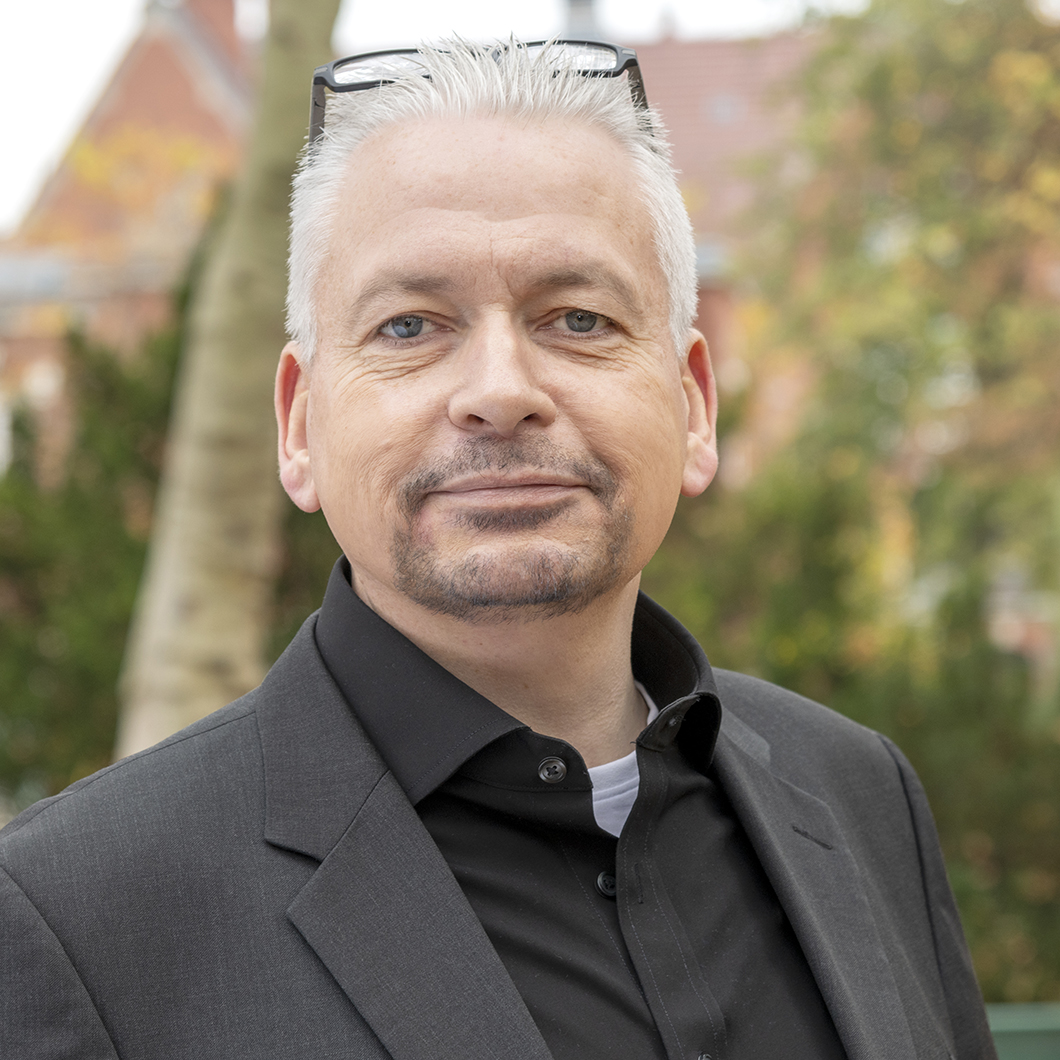
Prof. Dr. rer. nat. habil. Oliver Hahn