
Thermochemical Residues Treatment and Resource Recovery
Division 4.4
The Division Thermochemical Residues Treatment and Resource Recovery develops and investigates thermochemical processes for the treatment of waste and residual materials. Process developments are often carried out in close cooperation with industrial partners. Various thermal units are used for this purpose, from laboratory to small industrial scale.
Resource conservation through the recovery of critical raw materials, the promotion of a sustainable circular economy and the environmental compatibility of processes and products are at the center of the research work. For mass residues from the construction sector and industrial production as well as for lightweight materials like CFRP, the most sustainable recycling routes and utilization methods are developed and investigated. Advising authorities, politicians and industry ensures a practice-oriented transfer of specialist knowledge and the application of the results.
It is important to increasingly utilise waste as a source of secondary raw materials. When they are used, pollutants can enter the environment and contaminate soil or groundwater, for example. The behavior of pollutants in different environmental media is therefore being investigated using a variety of methods.
Even with sustainable waste management concepts, landfills cannot be completely dispensed with. However, these must be safe and environmentally compatible. The department is an approval body in accordance with the Landfill Ordinance for geosynthetics, polymers and series-produced sealing control systems for landfill liners.
Fields of expertise
Fields of expertise
- Complex thermochemical processes for material separation
- Recovery of critical raw materials
- Thermoanalytical investigations
- Scientific and technical evaluation of measures for dealing with industrial residues
- Assessment of the mobility of inorganic and organic pollutants from soils and waste materials, in particular investigation of elution behavior
- Carrying out robustness tests and round robin tests to validate processes
- Investigations into the long-term behavior of geosynthetics
Main activities
Main activities
- Development of processes for the post-treatment of metallurgical slags
- Nutrient recovery from incineration ash (e.g. biomass and sewage sludge)
- Development of processes for extracting critical raw materials from waste
- Development of processes for the recycling and utilization of mass residues and lightweight materials like CFRP
- Assessment of the environmental compatibility of materials in contact with soil and groundwater, such as construction products, substitute construction materials and synthetic-based sports surfaces
- Development of analytical methods for per- and polyfluorinated alkyl substances (PFAS) in the environment, industrial processes and remediation measures
- Investigation into the long-term behavior of geosynthetics
Range of services/technical equipment
Range of services/technical equipment
- Technical-scale electric arc furnace (480 kVA, capacity of 100 kg batches)
- Small-scale rotary kilns (up to 1,700 °C)
- Pendulum tube furnace with quartz glass reactor (1,100 °C)
- Chamber and tube furnaces (up to 1,800 °C, inert gas)
- Laboratory fluidized bed (up to 1,100 °C)
- Induction melting system (>2,000 °C)
- Thermal analysis TG-DTA/-DSC (coupling with IR gas analysis)
- Heating microscope
- Software for life cycle assessment analyses
- Lysimeter and automated column percolation systems
- Analytical laboratory (HPLC, GC-MS, ICP-OES, ICP-MS, CIC, TOC, ED-XRF, microwave digestion system, various microscopes)
- LIBS (laser-induced breakdown spectroscopy) for the rapid determination of element contents in high-temperature processes. A LIBS prototype is used for in-situ element analysis in the technical-scale electric arc furnace, for example.
- Laboratory for analyzing geosynthetics (stress cracking test (NCTL), thermoanalytical measurements (DSC), oxidation stability (OIT), creep tensile and shear tests)
- Equipment for the production of representative sub-samples at various scales
Publications of the division
Publications of the division
In the database PUBLICA you will find publications by BAM employees.
Publications of the division Thermochemical Residues Treatment and Resource Recovery in PUBLICA
-
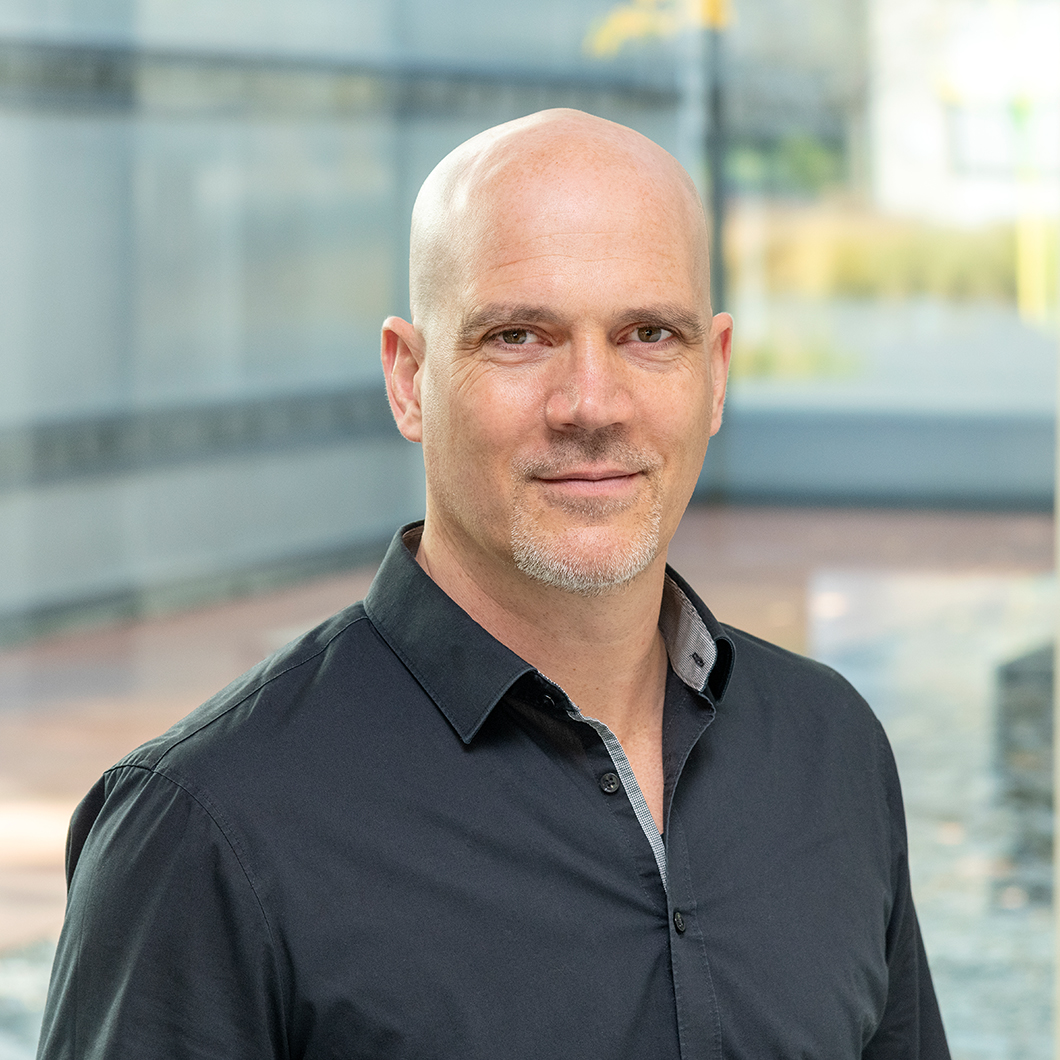
Dr.-Ing. Christian Adam