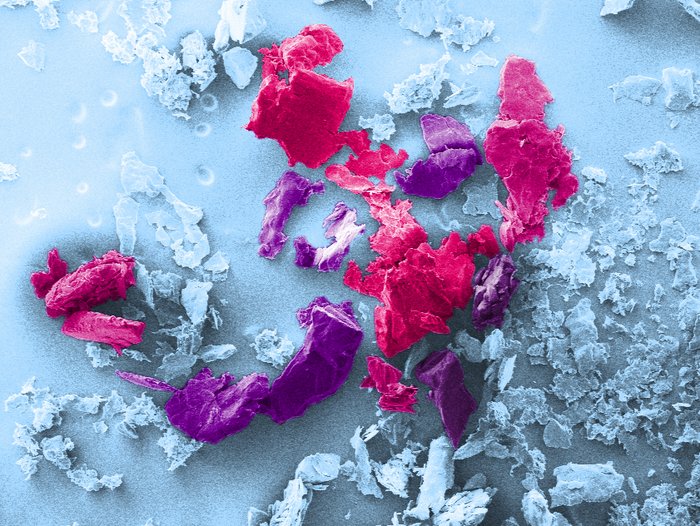
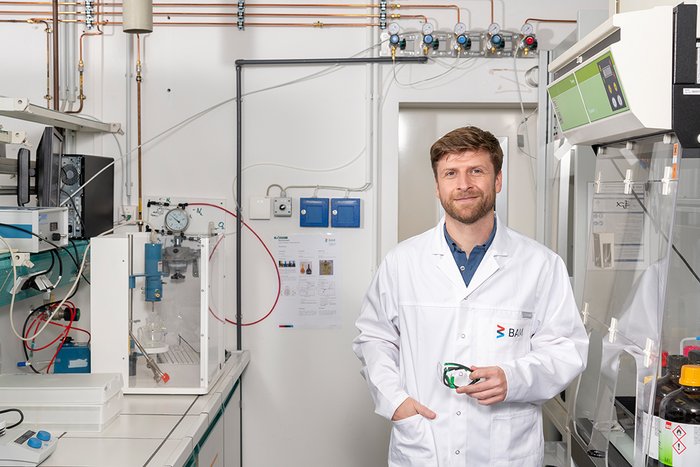
Particularly fibrous particles of micro- and nanoplastics are suspected of being harmful. They enter the human body via the air we breathe or the food we eat. Initial data indicate that they could lead to irritation of the respiratory tract, chronic inflammation and…
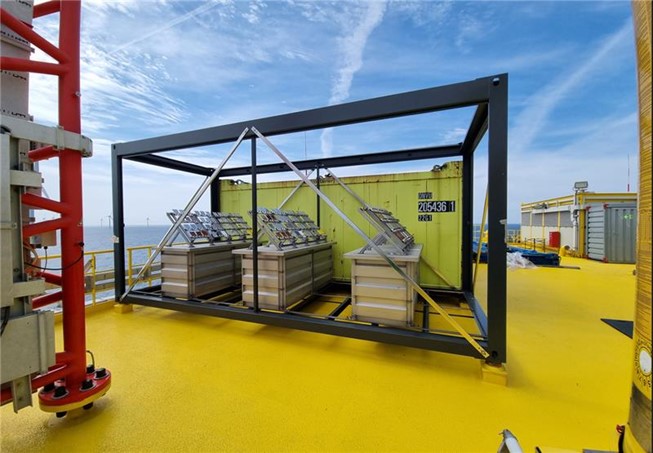
With the accelerated expansion of wind energy, the offshore sector is of particular importance. Offshore, however, corrosion in particular endangers the safety and durability of the turbines. The Bundesanstalt für Materialforschung und -prüfung (BAM), together with…
Hydrogen is to replace fossil natural gas in the European gas grid as soon as possible. The Bundesanstalt für Materialforschung und -prüfung (BAM) is developing high-precision calibration gases for an EU-wide project. They are the basis for later being able to…
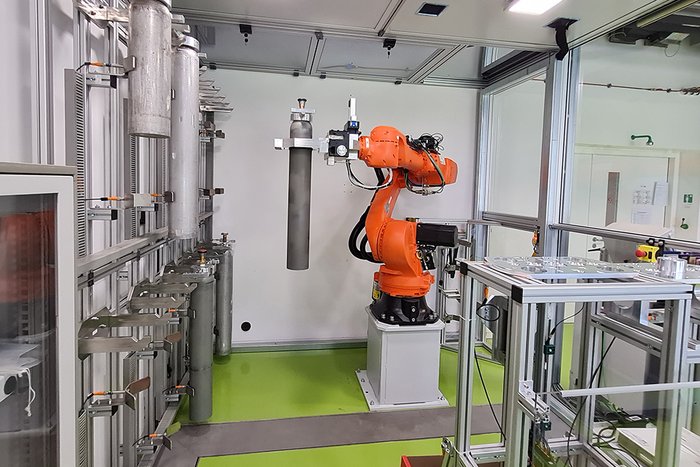
Research into innovative battery materials plays a decisive role in the development of competitive battery cell production in Germany. The Bundesanstalt für Materialforschung und -prüfung (BAM) is now setting up a high-performance nuclear magnetic resonance…
The Bundesanstalt für Materialforschung und -prüfung (BAM) is building a test platform for the safe operation of hydrogen and hydrogen-natural gas pipelines at a cost of 3.8 million euros. The facility is intended to provide industry and gas grid operators with the…
How can we build cities more sustainably in the future and use the remains of old buildings in a CO2-saving way for the circular economy? How can artificial intelligence be used to develop climate-friendly materials faster and more efficiently? What do plant fibres…
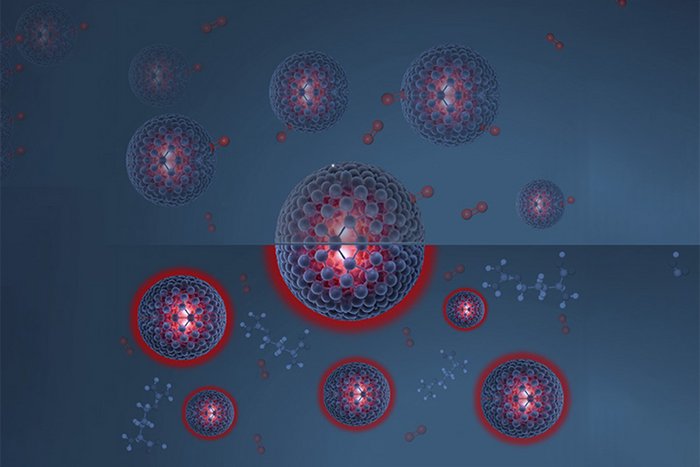
They are tiny but glow intensively: special light-emitting molecules used in environmental analysis, medical diagnostics, and energy research. However, their luminescence intensity can be significantly reduced by oxygen in the air. Researchers at the Bundesanstalt…
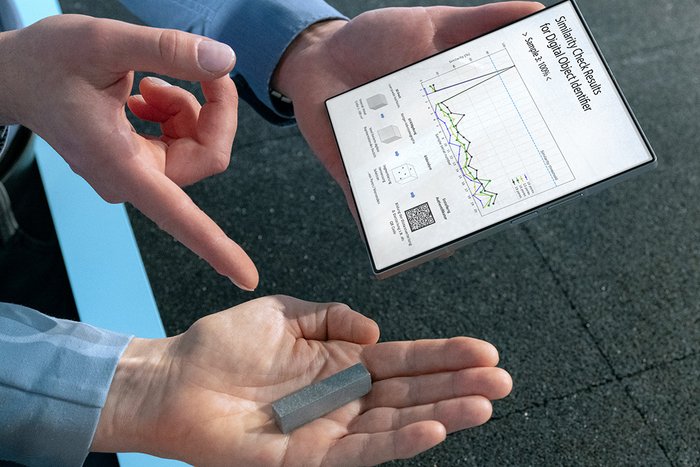
In additive manufacturing, the secure identification and authentication of components is becoming increasingly important—whether for quality assurance, traceability, or protection against product piracy. A team at the Federal Institute for Materials Research and…
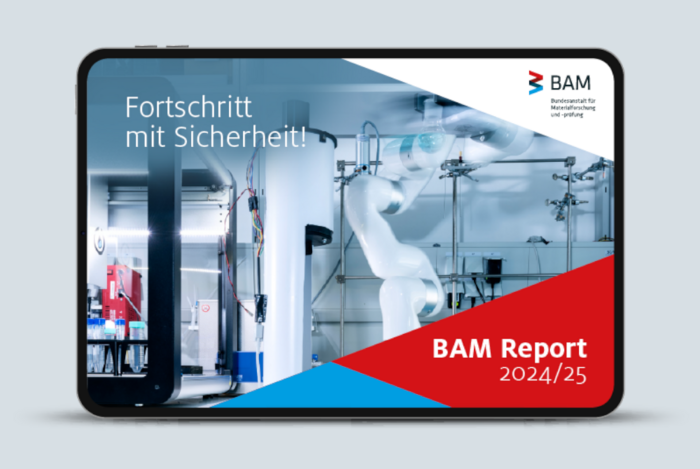
The BAM Report 2024/25, the annual publication of the Federal Institute for Materials Research and Testing (BAM), has been published. Under the title “Progress with Safety!”, the digital publication shows how BAM, as a federal research institution, contributes its…
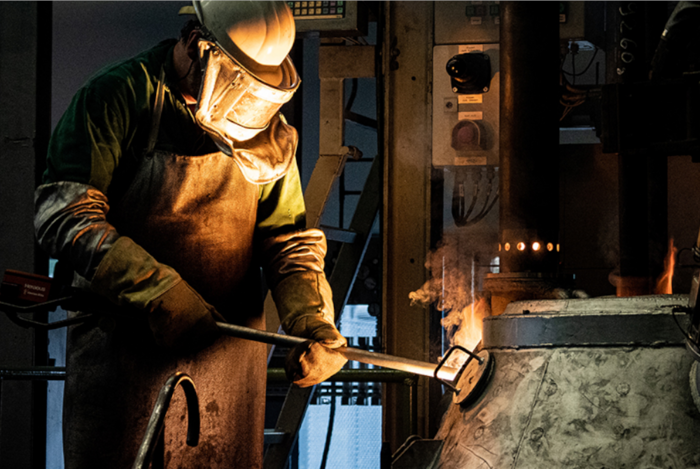
The Federal Institute for Materials Research and Testing (BAM) is working with partner institutions in the European ZEROSTEEL project to reduce CO₂ emissions in steel production. The use of hydrogen and renewable energies is intended to make steel production more…
BAM is a senior scientific and technical Federal institute with responsibility to the Federal Ministry for Economic Affairs and Energy.