

Jump to content

Paper of the Month

Papers in scientific journals are a crucial output of our research. They are the most important communication channel to share scientific findings and discoveries with the scientific community and to encourage a discussion thereof. Thus, papers are a substantial part of our competence as a research institute. With the series “Paper of the month” we want to call attention of a broader audience to our results.
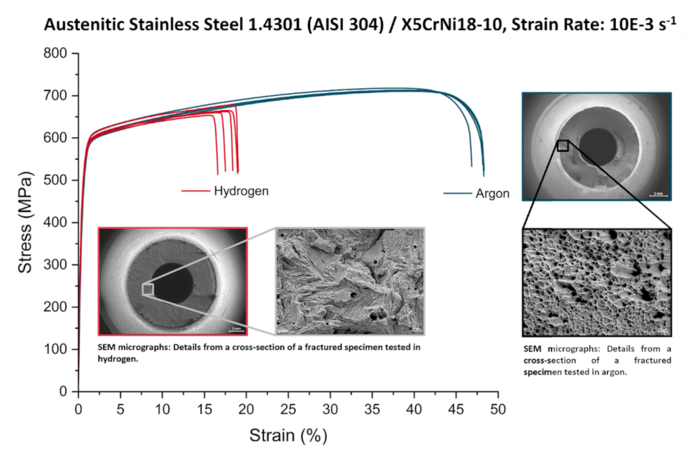
  1. Themenfeld Energie: Paper of the month of April ist "Tensile testing in high-pressure gaseous hydrogen using the hollow specimen method", published in…

    Stress x Strain diagram of hollow specimens tensile tested in 15 MPa hydrogen and argon with respective SEM images of the fractured cross section.
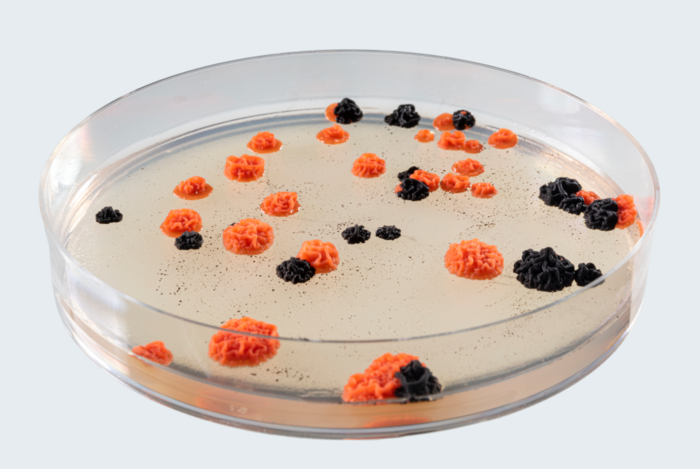
  1. Focus area environment: Paper of the month of April is "RISPR-Cas9 in der Materialforschung: Den gesteinsbesiedelnden Pilzen auf der Spur", published…

    Transformants of the fungus Knufia petricola. A gene for the synthesis of the black pigment melanin is mutated in the pink colonies.
  1. Focus area infrastructure: Paper of the month "Technology adoption and digital maturity in the conformity assessment industry: Empirical evidence from…

    Accreditation bodies and international organizations in 15 countries and regions supported the implementation of the study.
  1. Focus area Chemistry and process engineering: Paper of the month of March is "Optimization-based process synthesis by phenomena-based building blocks…

    Superstructure instance for separating a binary mixture with two model components
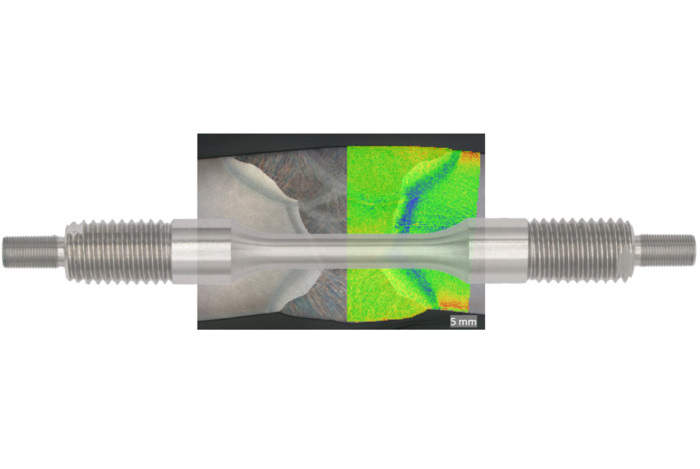
  1. Focus area Energy: Paper of the month of March is "Investigation of resistance to gaseous hydrogen of a longitudinal weld seam in a X65 pipeline using…

    Metallographic cross-section of the weld seam with hardness measurement and extraction position of the cross-weld tensile specimen.
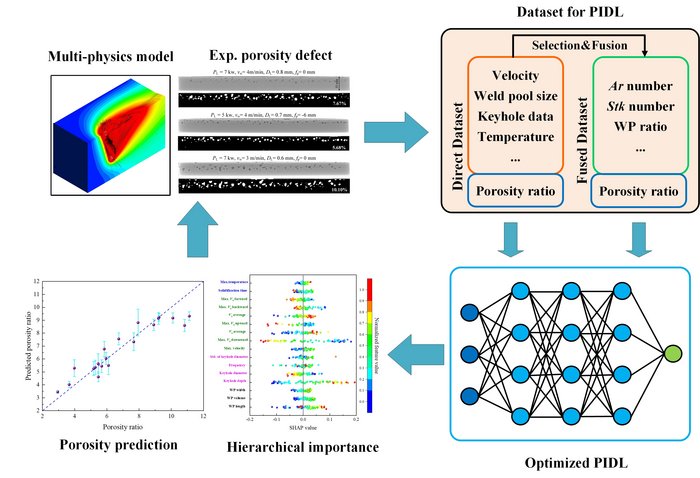
  1. Focus material: Paper of the month of March is "Toward prediction and insight of porosity formation in laser welding: A physics-informed deep learning…

    The architecture of the physics-informed deep learning (PIDL) framework.  The PIDL model can provide an accurate prediction of the porosity level and the hierarchical importance of different physical factors.
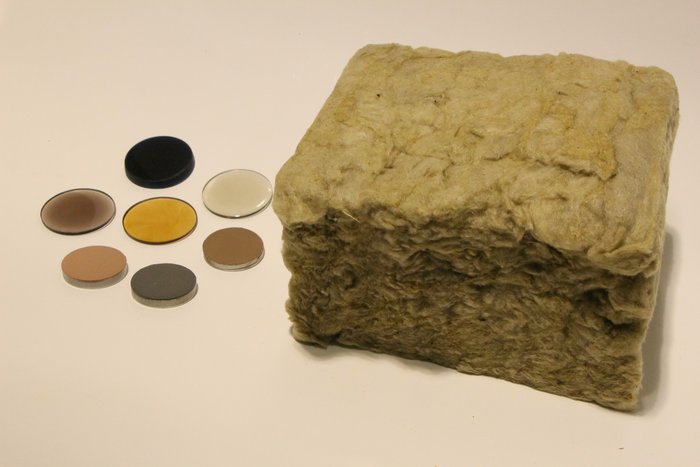
  1. Focus area: Paper of the month of March is "How reliable is the X-ray fluorescence-based differentiation between glass wool and rock wool and the age…

    Mineral wool, melting tablets and pellets for X-ray fluorescence analysis (XRF).
  1. Veröffentlicht am 02/01/2025

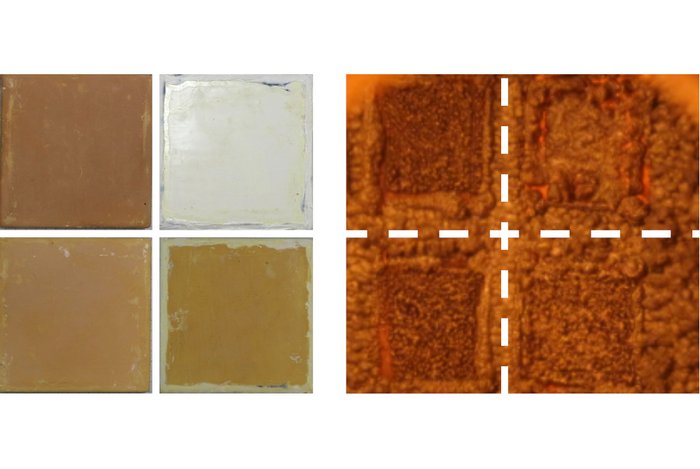
    Focus area infrastructure: Paper of the month of February "Durability of intumescent coatings and recommendations for test concepts for a working life…

    Intumescent coating after the short-term weathering (left) and during the fire test (right)
  1. Focus area environment: Paper of the month of February "Ski waxes as an entry route for per- and polyfluoroalkyl substances (PFAS) into the…

    Ski tracks in the snow of a ski resort
  1. Focus area Material: Paper of the month of February "Ontology-Based Data Acquisition, Refinement, and Utilization in the Development of a Multilayer…

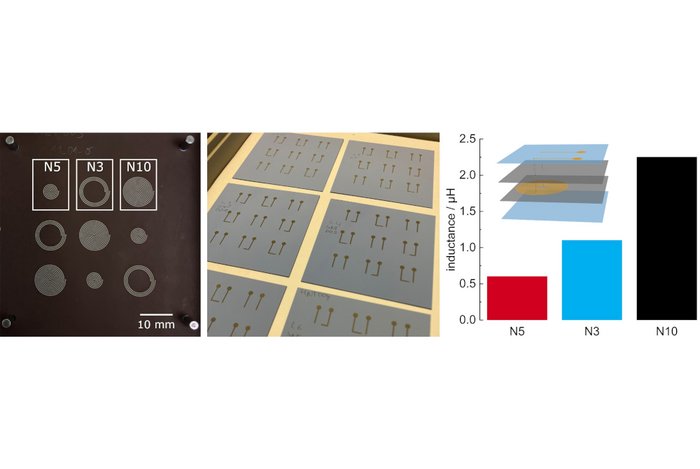
    Manufacturing and performance of ceramic multilayer inductors

BAM is a senior scientific and technical Federal institute with responsibility
to the Federal Ministry for Economic Affairs and Energy.

Cookies